Shrimp Pad Thai

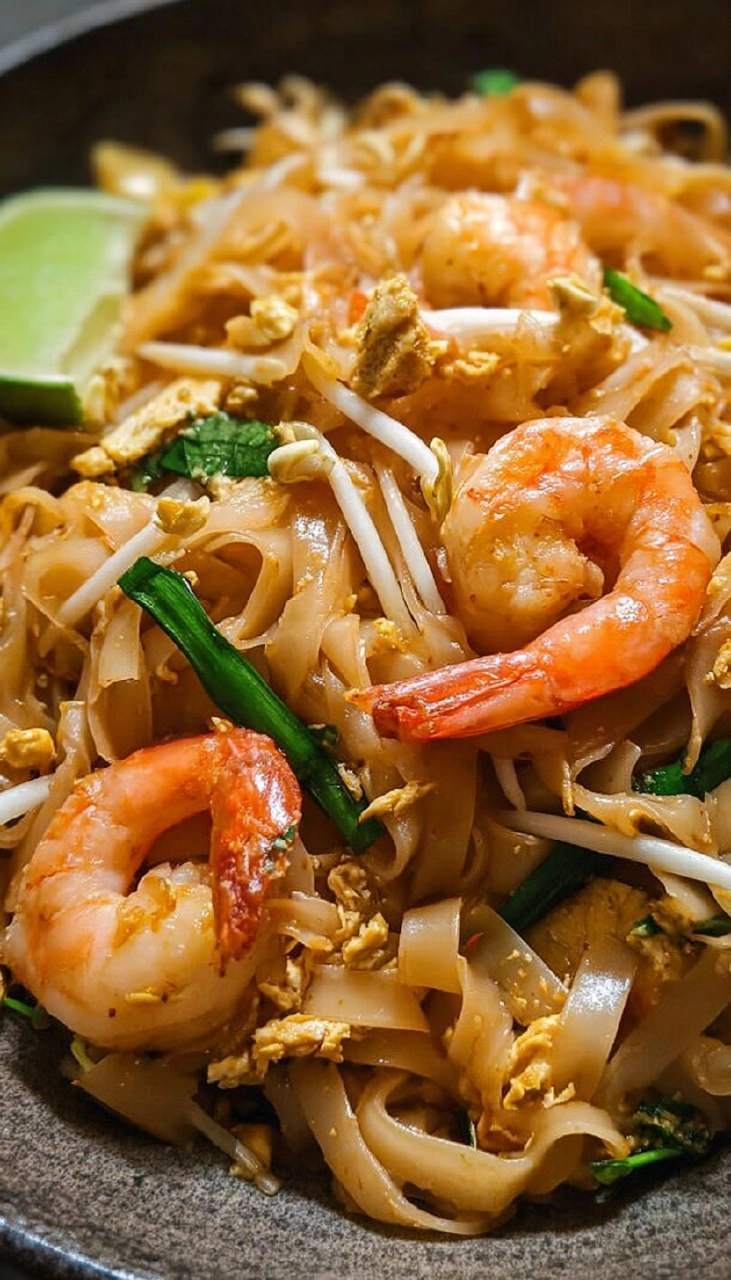
Shrimp Pad Thai is a vibrant and flavorful dish that beautifully encapsulates the essence of Thai cuisine. Its a delightful medley of shrimp, rice noodles, and fresh vegetables, all tossed together in a sweet and savory sauce. The dish boasts a satisfying texture, with the tender shrimp harmonizing perfectly with the chewy noodles and crisp vegetables. Every bite bursts with flavor, and the added zest of lime elevates the entire experience, making it a crowd favorite.
Table of Contents
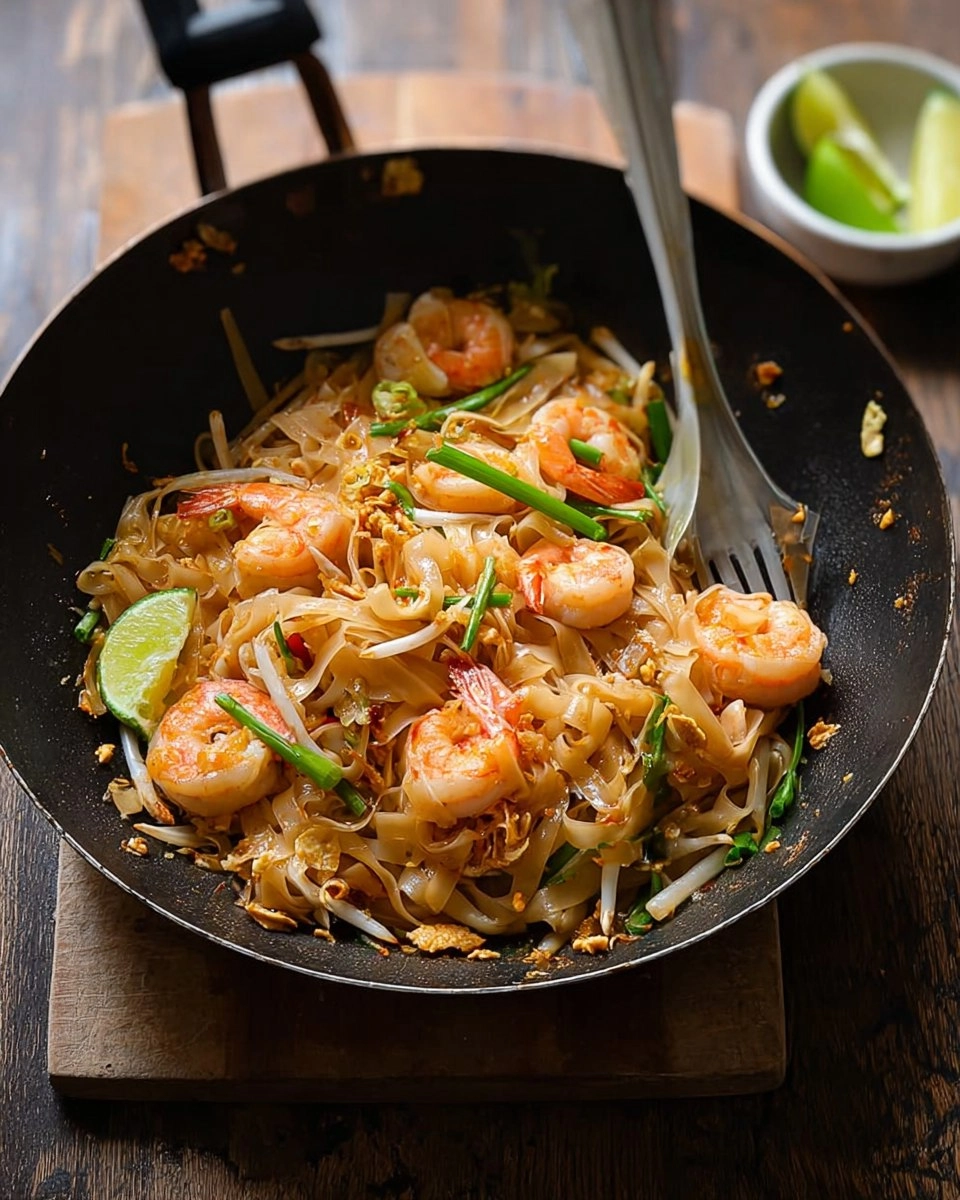
My journey with Shrimp Pad Thai began years ago when I first visited a local Thai restaurant. The intoxicating aroma and colorful presentation captured my heart (and stomach!) instantly. Now, I love whipping up this dish at home. It’s not only quick and easy but also much healthier than takeout. Perfect for a weeknight dinner or a special occasion, this easy version of Shrimp Pad Thai will soon become your go-to recipe.
Why You’ll Love This Recipe
- Simple & Quick: Ready in about 30 minutes, this dish won’t keep you in the kitchen for long.
- Irresistible Flavor: The combination of tangy lime, sweet tamarind, and savory shrimp will have your taste buds dancing.
- Eye-Catching Appeal: The crispy bean sprouts and bright green onions make this dish as beautiful as it is delicious.
- Flexible Serving: Perfect for a cozy dinner, festive gatherings, or even meal prep for the week.
- Diet-Friendly Options: Easily adaptable to be gluten-free or include your favorite vegetables.
Ingredients You’ll Need
- 8 oz rice noodles: These form the base of your Shrimp Pad Thai, bringing that delightful chewy texture. Look for flat rice noodles for the authentic experience.
- 1 lb shrimp (peeled and deveined): Fresh or frozen shrimp work perfectly here. Just make sure to thaw if using frozen.
- 2 tablespoons vegetable oil: This helps sauté the ingredients and adds a subtle flavor. You can substitute with peanut oil for a nuttier taste.
- 2 eggs: Lightly beaten, these add richness and protein to the dish. Fresh eggs work best for texture.
- 2 cups bean sprouts: They add a lovely crunch. Feel free to swap in other veggies like bell peppers or carrots if you prefer.
- 3 green onions (sliced): These lend a mild oniony flavor and a pop of color.
- ¼ cup roasted peanuts (chopped): These provide a delicious crunch and nutty flavor, which is essential for authentic Pad Thai.
- 2 tablespoons tamarind paste: A key ingredient that gives Shrimp Pad Thai its characteristic sweet-tangy flavor. Look for it in the Asian aisle.
- 2 tablespoons soy sauce: Adds saltiness and depth. For a gluten-free option, use tamari or coconut aminos.
- 1 tablespoon fish sauce: This brings an umami boost, but if you prefer a vegetarian version, use soy sauce instead.
- 1 tablespoon brown sugar: Balances the flavors, adding a hint of sweetness. You can use coconut sugar for a more natural option.
- Fresh lime wedges (for serving): A drizzle of lime juice brightens the dish and elevates all the flavors.
How to Make Shrimp Pad Thai
- Cook the Noodles: Prepare the rice noodles according to the package instructions. Drain and set aside. Make sure not to overcook them; they should be al dente since they’ll cook a bit more in the pan later.
- Heat the Oil: In a large skillet or wok, heat the vegetable oil over medium-high heat until shimmering but not smoking.
- Sauté the Shrimp: Add the shrimp to the hot pan in a single layer. Cook for about 2-3 minutes per side, or until they turn pink and opaque. Remove and set aside to keep warm.
- Scramble the Eggs: In the same skillet, add the beaten eggs and cook, stirring slowly, until they form soft curds. This should take about 1-2 minutes.
- Combine Ingredients: Add the cooked noodles back into the skillet along with the shrimp, bean sprouts, and green onions. Toss everything together gently.
- Prepare the Sauce: In a small bowl, mix the tamarind paste, soy sauce, fish sauce, and brown sugar until well combined. Pour this sauce over the noodle mixture, stirring gently to coat each strand.
- Final Toss: Continue to cook for another minute or two until everything is heated through and well combined. The noodles should glisten and be flavorful.
- Serve: Plate your Shrimp Pad Thai, topping each serving with chopped peanuts and lime wedges for squeezing.
Storing & Reheating
To store your Shrimp Pad Thai, let it cool completely and transfer it to an airtight container. It will stay fresh in the refrigerator for up to 3 days. If you want to keep it longer, consider freezing it for up to 3 months. Just make sure to portion it out for easy reheating. To reheat, you can either microwave it for a couple of minutes or warm it in a skillet over medium heat. The texture might be slightly softer upon reheating, so adding a splash of water can help refresh it.
Chef’s Helpful Tips
- Avoid overcooking your shrimp. They should be just pink and slightly firm. They continue to cook when removed from heat.
- If the noodles seem sticky after cooking, rinse them under cold water to prevent clumping.
- Adjust the level of sweetness by modifying the amount of brown sugar. Taste as you go!
- For extra flavor, toast the peanuts before chopping them.
- If you enjoy spice, add some red pepper flakes or a dash of sriracha to the sauce.
Shrimp Pad Thai brings the vibrant flavors of Thailand right into your home kitchen. It’s a dish that invites experimentation, so feel free to swap in your favorite ingredients. The combination of savory, sweet, and tangy flavors creates a harmonious balance that’s sure to please everyone at the table. Don’t be afraid to try out different sauces, veggies, or protein options—the possibilities are endless!
Recipe FAQs
Can I make this dish vegetarian?
Absolutely! You can easily transform this Shrimp Pad Thai into a vegetarian delight by omitting the shrimp and replacing it with tofu or just loading it up with additional vegetables.
What should I serve with Shrimp Pad Thai?
Shrimp Pad Thai is a complete meal on its own, but you can complement it with refreshing side dishes like a Thai cucumber salad or a light soup to round out your dinner.
How do I store leftovers?
Let your Shrimp Pad Thai cool before transferring it to an airtight container. It will last up to 3 days in the fridge or can be frozen for up to 3 months.
Can I use other proteins in this dish?
Definitely! While shrimp is a popular choice, you can substitute chicken, beef, or even keep it fully plant-based with tofu or tempeh. Just adjust the cooking time accordingly.
PrintMore Main Dishes Recipes
Did You Enjoy Making This Recipe? Please rate this recipe with ⭐⭐⭐⭐⭐ or leave a comment.
📖 Recipe Card
Shrimp Pad Thai
- Prep Time: 25 minutes
- Cook Time: 5 minutes
- Total Time: 30 minutes
- Yield: 4 servings 1x
- Category: Main Dishes
- Method: Stir-fry
- Cuisine: Thai
Description
This Shrimp Pad Thai features a delightful combination of shrimp, chewy rice noodles, and a tangy sauce, making it an ideal choice for a quick and flavorful dinner that everyone will love.
Ingredients
- 4 servings of rice noodles
- 1 tbsp vegetable oil
- shrimp (quantity not specified)
- 1 tbsp tamarind purée
- 1 tbsp fish sauce
- 1 tbsp light brown sugar
- 1 chopped shallot
- 2 minced garlic
- chili flakes (to taste)
- 2 eggs
- bean sprouts (quantity not specified)
- green onions (quantity not specified)
- peanuts (half for cooking, remaining for serving)
- lime wedges (for serving)
Instructions
- Soak the rice noodles in hot water for 30-40 minutes until mostly softened. Mix the tamarind purée, fish sauce, and light brown sugar, and set aside for the sugar to dissolve.
- In a large wok, heat 1 tbsp of vegetable oil. Add the shrimp and cook until pink on both sides, then remove and set aside.
- Add another tbsp of oil to the wok and stir fry the chopped shallot, minced garlic, and chili flakes for one minute. Add the drained noodles and some clinging water, then add the mixed sauce. Cook for 1-2 minutes until noodles are soft but still chewy.
- Move the noodles to one side of the wok and crack 2 eggs into the free space. After 30 seconds, pile the noodles on top of the eggs and cook for a few seconds until the eggs are set. Toss lightly to combine.
- Add the bean sprouts, green onions, cooked shrimp, and half of the peanuts. Toss until the onions are slightly wilted and the bean sprouts are crunchy. Remove from heat and serve with lime wedges and the remaining peanuts.
Notes
Make sure to soak the noodles thoroughly for better texture.
Adjust chili flakes to control the spice level to your taste.
Nutrition
- Serving Size: 1 serving
- Calories: 300
- Sugar: 4g
- Sodium: 800mg
- Fat: 10g
- Saturated Fat: 2g
- Unsaturated Fat: 8g
- Trans Fat: 0g
- Carbohydrates: 45g
- Fiber: 2g
- Protein: 12g
- Cholesterol: 120mg